
What fifty years in one house looks like
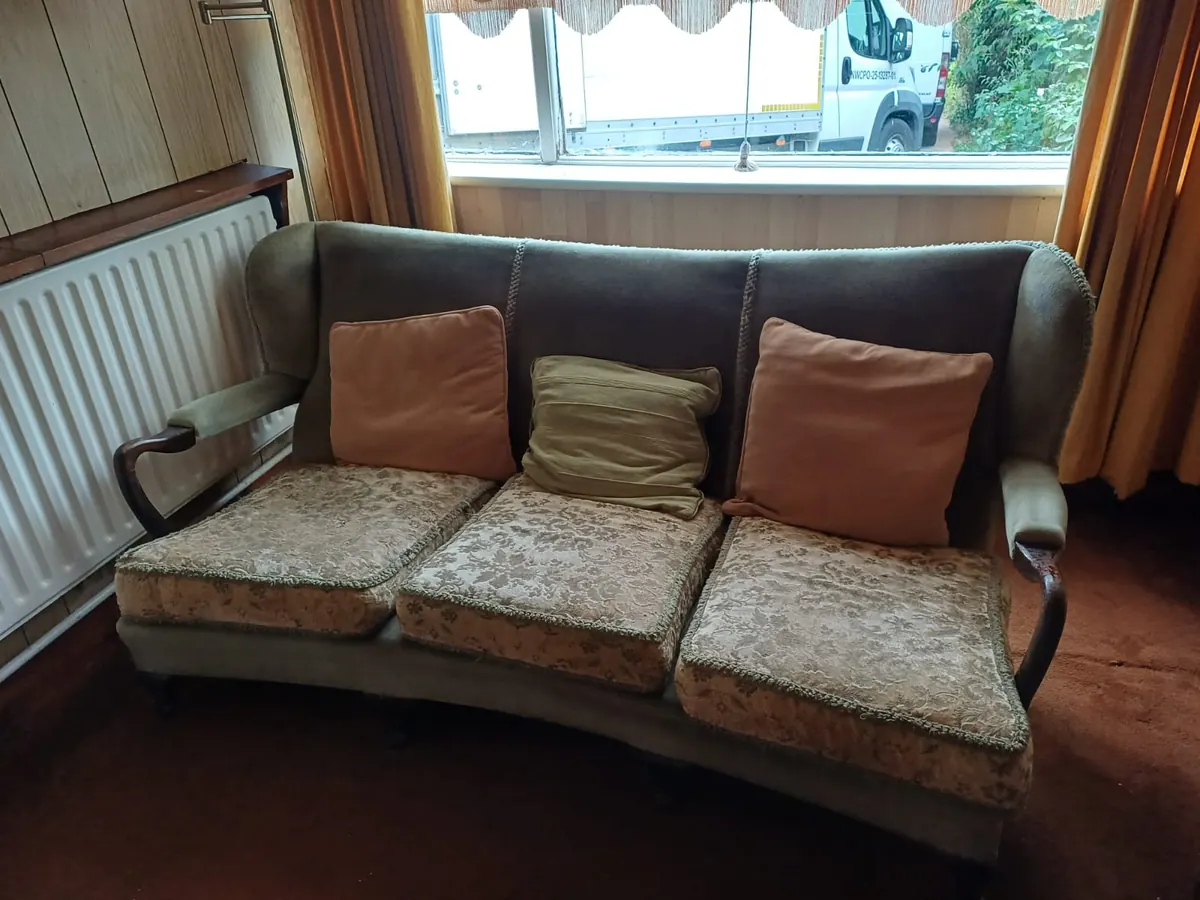
A house that was never moved out of was never cleared out either. Without a move, the contents accumulate in layers that roughly follow the family’s life.
- The first furniture. The bedroom suite, the dining table, the sideboard and the good sofa bought when the house was, often still in use.
- The children’s layer. Bedrooms handed on, then kept as they were, then filled with boxes; the attic holds the schoolbooks and toys nobody collected.
- The grandparents’ layer. What nobody could part with when their homes were cleared: a clock, a set of china, albums, a trunk.
- The working life. Tools in the shed, a sewing machine, a typewriter, the kit from a job or a club.
- The later years. Mobility aids, a hospital bed if there was one, medication, and the pension and hospital paperwork.
- Consumables and duplicates. Three toasters, the drawer of carrier bags, jars, tins. The easiest layer to let go.
The later years and the paperwork need your attention first; the consumables need none; the first furniture and the grandparents’ layer are where the decisions are.
Where things end up after half a century
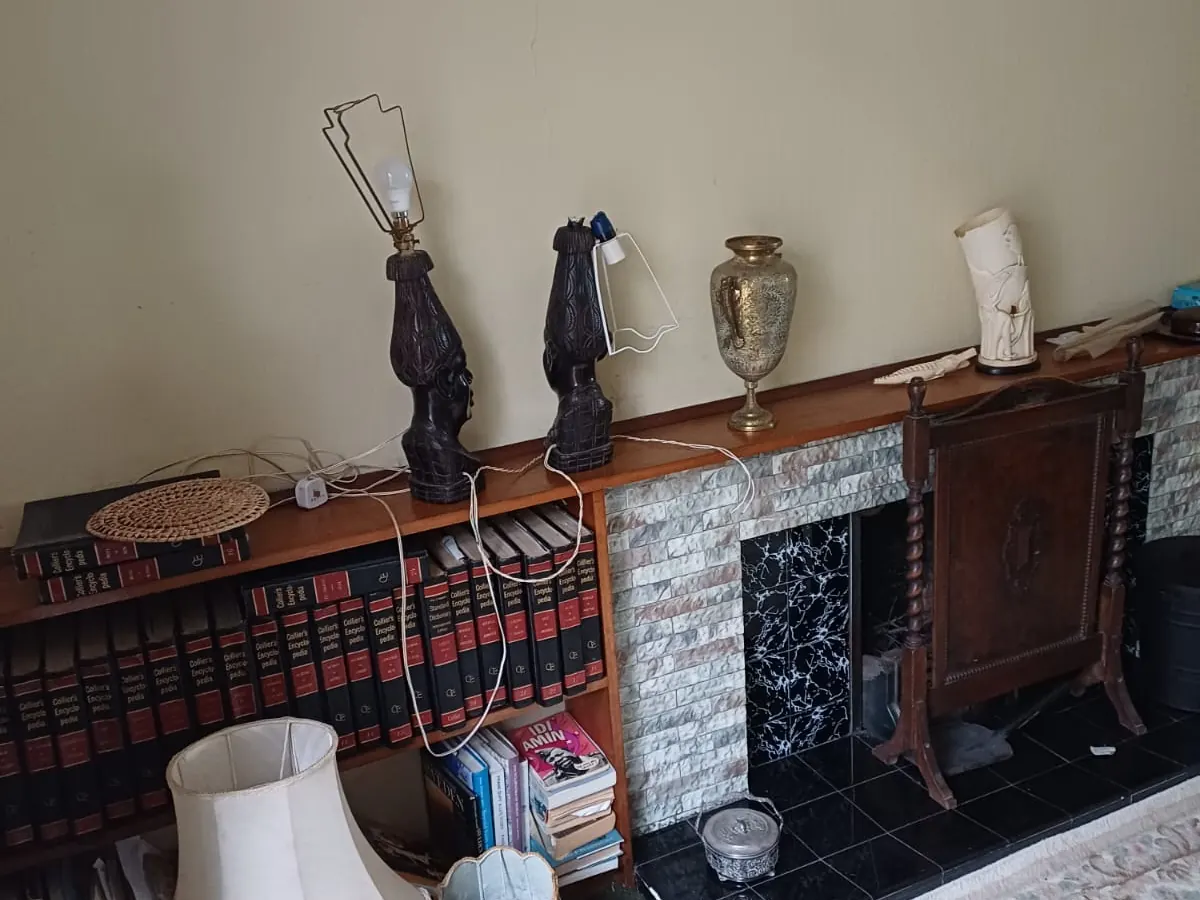
Documents and small personal items in a long-lived-in house are rarely in one place. Before any clearance, go through the house with this list, in short sessions, with someone else. This is not legal advice, and the solicitor leads on what the estate needs; it is simply where things are found.
- The sideboard and the bureau, including the backs of drawers and the space under the bottom drawer.
- The hot press, under the towels.
- The wardrobe: coat pockets, handbags, shoeboxes on the top shelf.
- Biscuit and sweet tins; inside a prayer book or a favourite novel.
- Behind framed photographs and under the paper lining of drawers.
- The bedside locker and under the mattress.
- The trunk in the attic that came from the grandparents’ house; a jar on a high shelf in the shed.
Anything personal we come across during the clearance, such as papers, photographs, letters or medals, is set aside and shown to you rather than removed. Unused medicines go back to a pharmacy. Mobility equipment on loan from the HSE or a supplier can be returned rather than disposed of; tell us and we arrange it.
Keeping the work moving when the family does not agree
With a house that held a whole adult life, disagreement is normal. One sibling wants it done by the end of the month; another cannot face going in; a third wants the sideboard and lives in a flat that cannot hold it. Stage the work, so that what is agreed goes ahead and what is disputed waits.
Stage one: the undisputed bulk
Nobody argues about the contents of the shed, the old curtains in the attic, the broken garden furniture, the expired food, the mattresses or the duplicates. Clearing those first changes the house: rooms become visible, and the family can see what is actually left to decide.
Stage two: the claimed items
Ask each person to list what they would like, and circulate photographs so that anyone abroad sees the same thing. Agree a method in advance for the item two people want: the executor decides, or draw lots. Set a date after which unclaimed items join the clearance. Tag what is claimed with a name, move it to one room, and arrange collection before the clearance day, because once something is on the truck it is loaded and sorted.
Stage three: the rest
When the claims are settled, the remainder is a lifting and sorting job. Several small visits cost a little more than one, and we keep that fair. If the disagreement is about more than furniture, pause and talk to the solicitor.
The tone of the day
A house that was someone’s whole adult life deserves a particular manner on the day it is emptied. This is what to expect, and what to ask of any company.
- The crew is briefed before a bereavement job. Nobody comments on anything.
- We walk the house with you first, in person or on a video call, and work in the order you choose: the rooms you are finished with first, the ones you want to go through last.
- You can be there and stop us at any point, or not be there at all; then we work from your written list and keys, ring you if we find something personal, and send photos of every room afterwards.
- Loads are held briefly in case something was missed, so if you realise something has gone, ring us at once.
We work Monday to Saturday, 8am to 5pm, and not on Sundays. A full house of fifty years is usually more than one load and often more than one day, and we do not promise a date until the job is agreed.
The attic, the shed and the garden
In a long-lived-in Artane house, the attic and the shed are often half the job and the part nobody has looked at for years.
The attic. Photograph it from the hatch with the light on, and do not climb in if the floor is not boarded. Items come down one at a time through a hatch, so an attic full of boxes takes time out of proportion to its weight. Boxes with a child’s name on them should come down first for that person to look through. Do not disturb old sheeting or insulation that might contain asbestos; we do not accept asbestos and will stop and advise. See attic clearance Dublin.
The shed. Tools are the thing families most often want and forget to ask for. Then group the paint, white spirit, weedkiller, the petrol can and any gas cylinder: we do not accept any of them, and they need their own trip to a council centre, described below. Emptying the shed is shed clearance; taking it down is shed removal, a separate service.
The garden. Furniture, pots, a rusted barbecue. Green waste is a separate stream with separate council charges, so say if the garden is part of the job.
What reuse realistically means for a fifty-year-old home
Families hope good furniture will go to someone who needs it, and sometimes it does; it is worth being honest about the odds.
- Solid timber furniture in good condition: dining tables and chairs, bookcases, a sideboard. The pieces most likely to have a second life; we set them aside for reuse where there is a realistic one.
- Bedroom suites and wardrobes: large, heavy, and out of step with how people furnish now. Some are wanted; many are not.
- China, glass and the encyclopaedias: china and glass are wanted more than people expect; a full set of encyclopaedias is heavy and rarely wanted as a set.
- Clothes and textiles: bagged separately. Offer good coats and suits to family or a charity shop first.
- Fridges, washing machines, televisions: separated as WEEE, not reused.
If something might have real value, such as a clock, silver or a painting, photograph it and ask the solicitor whether the estate wants it looked at first. We do not value or sell contents, though we can suggest auctioneers; keep anything in doubt out of the clearance.
Everything else is sorted on the truck as each room is emptied, with what is left going to authorised waste facilities under our collection permit, No. NWCPO-25-13287-01. Disposal is charged by weight, so every kilo kept out of the general load lowers the cost.
Dublin City Council’s part, for the things you take yourselves
Artane is in the Dublin City Council area. Families often want to bring a few things to the council themselves: the books to a bring centre, or the paint that we cannot take. As we last checked:
Oscar Traynor Road bring centre in Coolock, Dublin 5, takes paper, cardboard, cans, plastics, glass, textiles, batteries, books, cooking and engine oil, and small electrical items no bigger than a microwave, all free, plus bagged green waste for €2 per 80-litre bag, paid in coins. It opens Monday to Thursday 9am to 4pm, Friday 9am to 1pm and Saturday 10am to 4pm, and takes no furniture, mattresses or general waste.
The recycling centres at Ballymun (Carton Way, Dublin 11) and North Strand (Shamrock Terrace, Dublin 1) take household hazardous waste such as paints and aerosols for a charge, propane and butane cylinders for a charge, and WEEE and batteries free; entry for a car with furniture is €21. Householders’ own waste only.
The bulky household waste collection costs €50 for up to five items, paid in advance, from the public footpath on a date you cannot choose. It does not empty a house. Our Clontarf guide covers it in detail. Council fees, opening days and rules change. The figures here are as we last checked them, October 2026 (council data checked on 6 October 2026), so confirm with the council or the centre before you travel.
A practical sequence for an Artane family
| Step | What happens | Who |
|---|---|---|
| 1. Secure and pause | Keys counted, insurer told the house is empty, post redirected. | Executor or family |
| 2. Papers and the later years | Documents, medication, mobility equipment. Short sessions, two people. | Family |
| 3. Ask the solicitor | Can the contents be cleared yet? Is a valuation wanted first? | Executor |
| 4. Photograph everything | Every room, the attic, the shed, the garden; sent to us for a quote. | Family |
| 5. Stage one clearance | Shed, attic, garden, consumables and the undisputed bulk. | Us |
| 6. Claims | Lists, photographs, a method for disputes, a deadline, tags, collection. | Family |
| 7. Hazardous items | Paint, solvents, oils, fuel, chemicals and gas cylinders to the council centre. | Family |
| 8. Final clearance | The rest of the house, swept through; photos of every room; keys back as agreed; a clearance letter for probate if needed. | Us |
What affects the quote
We do not publish prices. A quote follows the volume (a lifetime’s belongings is usually more than one load), the weight, access, the mix of items and how much can be reused, and whether the work is staged over several visits. Send photos of each room, the attic and the shed, with a note of what is staying, and we give you a fixed price in writing. For the general guide, read our bereavement clearance guide for Dublin.
Questions families in Artane ask
Can the clearance go ahead while the family is still deciding about some items?
Yes, in stages. The undisputed bulk (shed, attic, garden, consumables, mattresses) can go first, and the claimed items wait, tagged and in one room, until the family has settled them.
How do we handle an item two of us want?
Agree the method before the item: the executor decides, a neutral relative decides, or draw lots. Circulate photographs so everyone sees the same thing, and set a date after which unclaimed items join the clearance.
Will the crew keep aside anything personal they come across?
Yes. Papers, photographs, letters and medals are set aside and shown to you rather than removed. If we find documents when you are not there, we stop and ring you.
Can you take the encyclopaedias and the books?
Yes. Books in good condition are a reuse candidate; the rest go as paper. Books are heavy, so if the family wants some, take them out first. The Oscar Traynor Road bring centre in Coolock also takes books free, as we last checked.
Is the attic emptied through the hatch, or do you need a stair?
Either. Items come down one at a time through a hatch, so tell us whether there is a fixed stair or a ladder and whether the floor is boarded. Photograph it from the hatch with the light on and do not climb in if it is not boarded.
Will old wardrobes and a bedroom suite be reused?
Some are wanted; many are not. Solid pieces in good condition are set aside for reuse where there is a realistic second life, but we cannot promise a destination for a particular item.
Does Dublin City Council take the paint from the shed?
Its recycling centres at Ballymun and North Strand take household paint, aerosols and pesticides for a charge, as we last checked. We do not accept paint, solvents, oils, fuel, chemicals or gas cylinders in any quantity.
Is there a penalty for clearing the house in three visits rather than one?
No. Several small visits cost a little more than one, and we keep that fair. Many families find staging is the only way the job gets done.
How long does a fifty-year home take to clear?
Usually more than one load and often more than one day, and longer again with a full attic and shed. We tell you what the photographs suggest before we quote, and we do not promise a date until the job is agreed.
What should be done before the first visit?
Gather papers, medication, photographs and anything with a name on it; tell the insurer the house is empty; ask the solicitor whether the contents can be cleared; and send us photos of every room, the attic and the shed.
What our customers say
Genuine reviews of our clearance crew on Google, quoted as written; dates as shown on Google in October 2026.
★★★★★4 months agoCiprian and Brian and Willie were great. They cleared out our mom’s house after she passed away last year. Professional, organized, empathetic and resourceful. It was a job we were dreading but they did it quickly with no fuss. I’ve never made an effort to make a recommendation online but Ciprian exceeded expectations.
★★★★★5 months agoCiprian was a pleasure to work with and he and his crew worked exceptionally hard to clear my dad's house. I am very pleased with the service and the results. Two thumbs up and I would recommend them to anyone.
Ready to get a price?
The service this guide supports is Bereavement clearance Dublin, with the areas we cover and the local council facts. Or skip straight to a quote.
Related pages
- Bereavement clearance guide (Dublin)
- Attic clearance Dublin
- Shed clearance Dublin
- House clearance Dublin
- Bereavement clearance in Clontarf: a practical guideClearing a family home in Clontarf after a death: what to do first, how to sort, Dublin City Council’s €50 bulky collection and its limits, and how a clearance day runs.
- Bereavement clearance in Castleknock: an executor’s project planAn executor’s plan for clearing a Castleknock home after a death: the order of work, inventory, valuables, keys, insurance, family communication and the Fingal council facts.